
This is a clear, self-contained description of the Responsibility Process, structured for people who want to understand and take responsibility, written so it stands on its own—no prior knowledge required.
The Responsibility Process – Overview
The Responsibility Process describes how individuals relate to challenges, outcomes, and their own agency. It explains how people respond internally when things do not go as expected—and why some responses generate learning and progress, while others drain energy and stall movement.
At its core, the model distinguishes between below-the-line states, where responsibility is avoided or deflected, and above-the-line states, where responsibility is consciously taken. The shift upward is not about blame or self-criticism; it is about reclaiming choice, ownership, and the ability to act.
For leaders, this process is foundational. The state of responsibility a leader operates from directly shapes trust, culture, and performance across the organization.
The States of Responsibility (from bottom to top)
1. Denial
“This isn’t happening.”

At the lowest state, reality itself is resisted. Problems are minimized, ignored, or dismissed. Data is questioned, signals are overlooked, and uncomfortable facts are avoided.
- Energy is spent on not seeing.
- Learning is impossible.
- Change is blocked before it even starts.
Denial creates organizational blindness—and leaders in denial unintentionally invite repetition of the same issues.
2. Lay Blame
“This is someone else’s fault.”

Here, the issue is acknowledged, but responsibility is externalized. Other people, circumstances, leadership, the market, or “the system” are blamed.
- Attention moves away from influence.
- Relationships erode.
- Justification replaces curiosity.
Blame feels temporarily relieving, but it quietly strips away agency.
3. Justify
“Yes, but here’s why it couldn’t be different.”
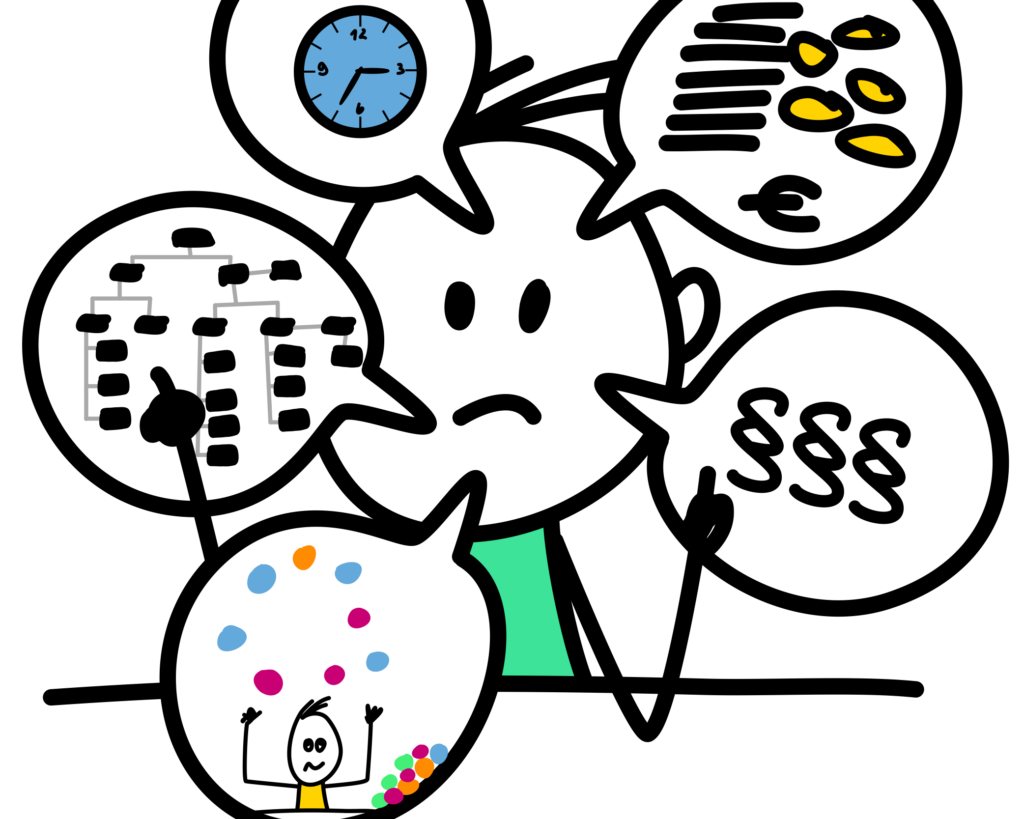
In justification, individuals explain why the outcome was inevitable. Reasons, constraints, and exceptions dominate the narrative.
- The past is defended instead of examined.
- Energy goes into proving correctness.
- Improvement remains theoretical.
This state often sounds reasonable—and that makes it particularly dangerous in leadership contexts.
4. Shame
“It’s my fault—and I’m the problem.”

Responsibility turns inward, but in a destructive way. Instead of ownership, there is self-attack. Capability and worth are questioned.
- Confidence drops.
- Risk-taking disappears.
- Responsibility collapses into self-protection.
Shame is not accountability. It is responsibility without power.
5. Quit
“Whatever. I’m out.”
In Quit, responsibility is abandoned entirely. The person may still be physically present, but psychologically they have disengaged: effort drops to the minimum, initiative disappears, and ownership is actively withdrawn.

Quit can show up in two common forms:
- Visible quitting: resignation, withdrawal, open refusal.
- Invisible quitting: staying, but emotionally checking out—often called “quiet quitting,” although the real issue is not silence, it is disconnection.
This results into:
- Energy is conserved through detachment.
- Problems are avoided rather than faced.
- Contribution shrinks to compliance—or to nothing at all.
For leaders, Quit is a red flag with a megaphone. It signals that restoring responsibility will require more than motivation—it requires rebuilding trust, agency, and meaning.
5. Obligation

“I have to.”
This is the transition zone. Action happens, but without ownership. Compliance replaces commitment.
- Work gets done, but energy is low.
- Creativity is limited.
- People do what is required—and nothing more.
Organizations stuck here often look functional while slowly losing engagement.
7. Responsibility
“I choose.”
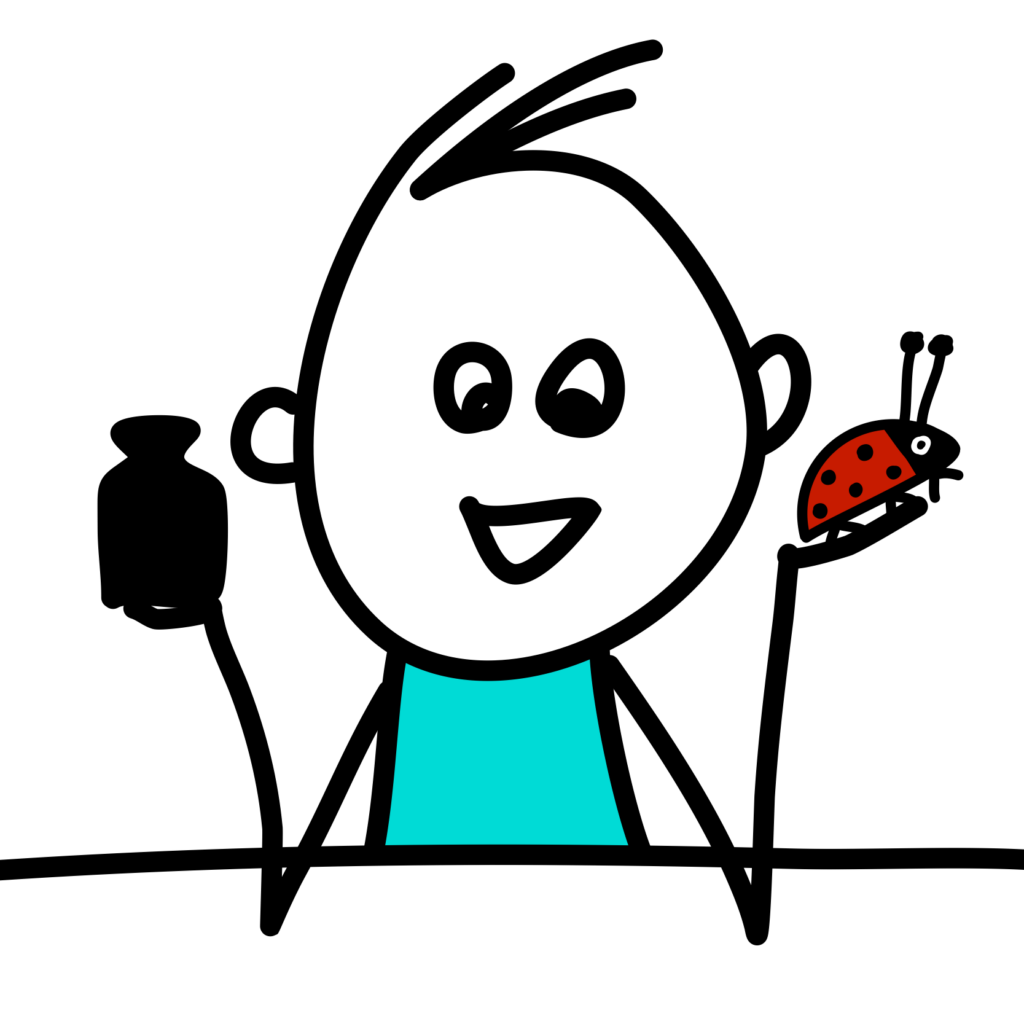
At the highest state, individuals fully own their role in the situation—without blame, excuse, or self-attack. Responsibility is taken as a conscious choice.
- Focus shifts to learning and impact.
- Options and influence become visible.
- Action is intentional and aligned.
This is the state where leadership becomes powerful—not because control increases, but because agency does.
Why This Matters for Leadership
The Responsibility Process makes one thing explicit: responsibility is a state, not a trait. People move through these states moment by moment—especially under pressure.
Leaders who recognize the process can:
- * intervene without blaming,
- * model responsibility instead of demanding it,
- * and create environments where ownership becomes the norm rather than the exception.
The real leadership question is not “Who is responsible?”
It is: “From which state of responsibility am I leading right now?”
Because organizations rise—or stall—at exactly that level.